 reykjavik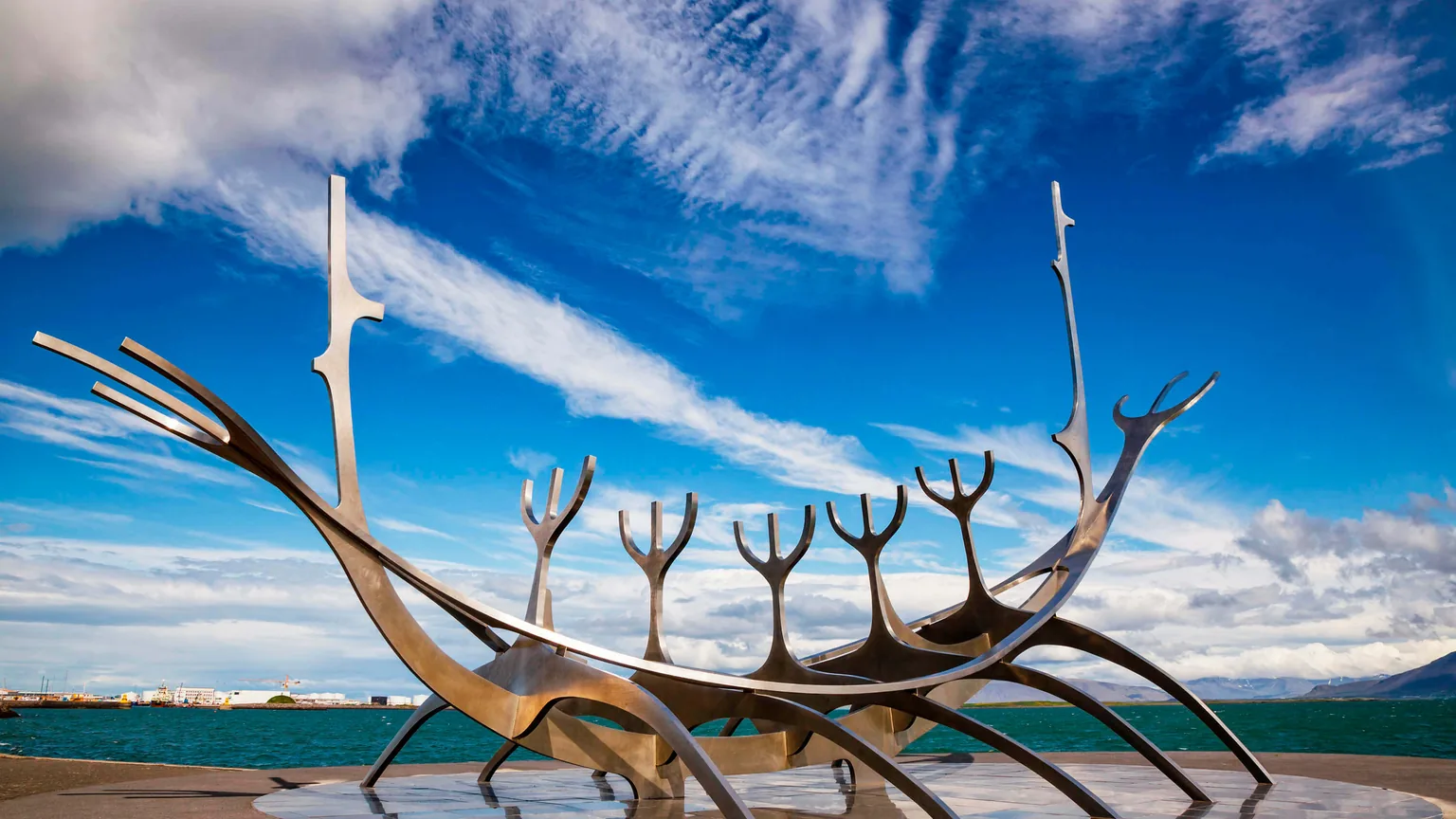
Reykjavik, on foot and in your own time
The world's northernmost capital fits in an afternoon of walking — if you know what you're looking at. This is the complete guide to Reykjavik: the walk itself, the day trips worth booking, and the seasons that change everything.
Reykjavik is small. Roughly 140,000 people live here, the old centre is about twenty minutes end to end, and almost everything you came for sits on that one walk. The rest is a bus ride away.
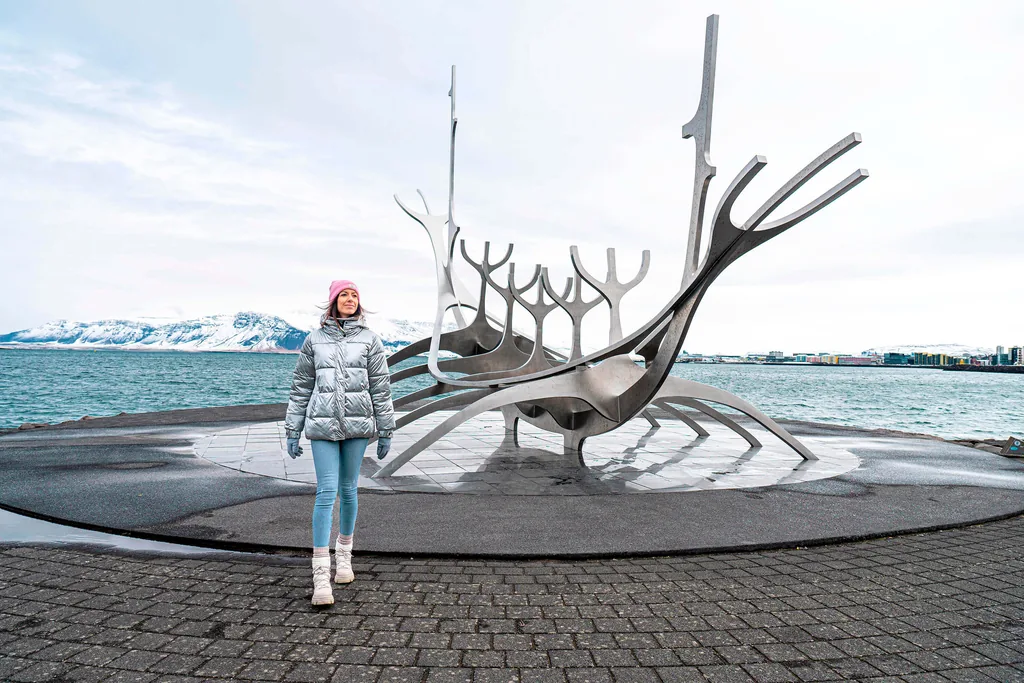
That size is the trap. It looks like a city you can "do" in a morning. So people photograph the church, photograph the Sun Voyager, and leave. Never having heard how a nation of fishermen beat the Royal Navy. Or why, in 2013, a finished road plan was shifted aside — the neighbours had objected on behalf of the elves.
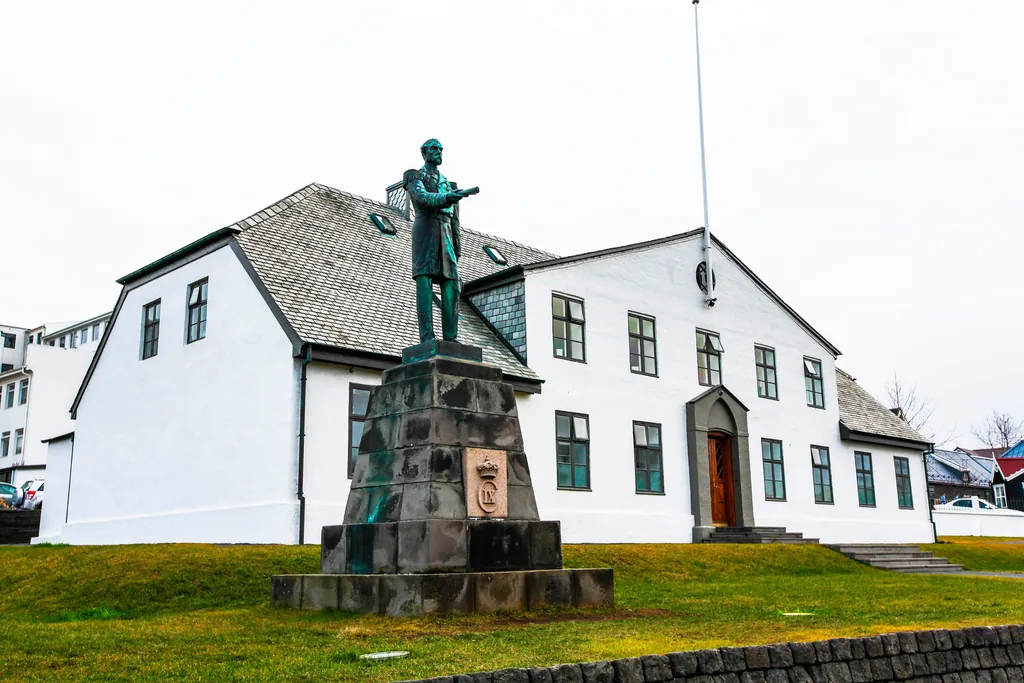
The stories are the point. That's why we made the Reykjavík City Walking Tour — 27 stops, from the statue of the man who founded the place to a grass-covered mound by the harbour with a fish-drying shed on top. You press play, you walk, you stop where you like. About two and a half hours. Or a whole afternoon, if you keep stopping for coffee. Which you will.
30 seconds from the introduction, in English
The Reykjavík City Walking Tour
Written by journalists and historians, narrated in the voice of Y'Own — a Reykjavik fisherman with time to kill before his next trip out to sea.
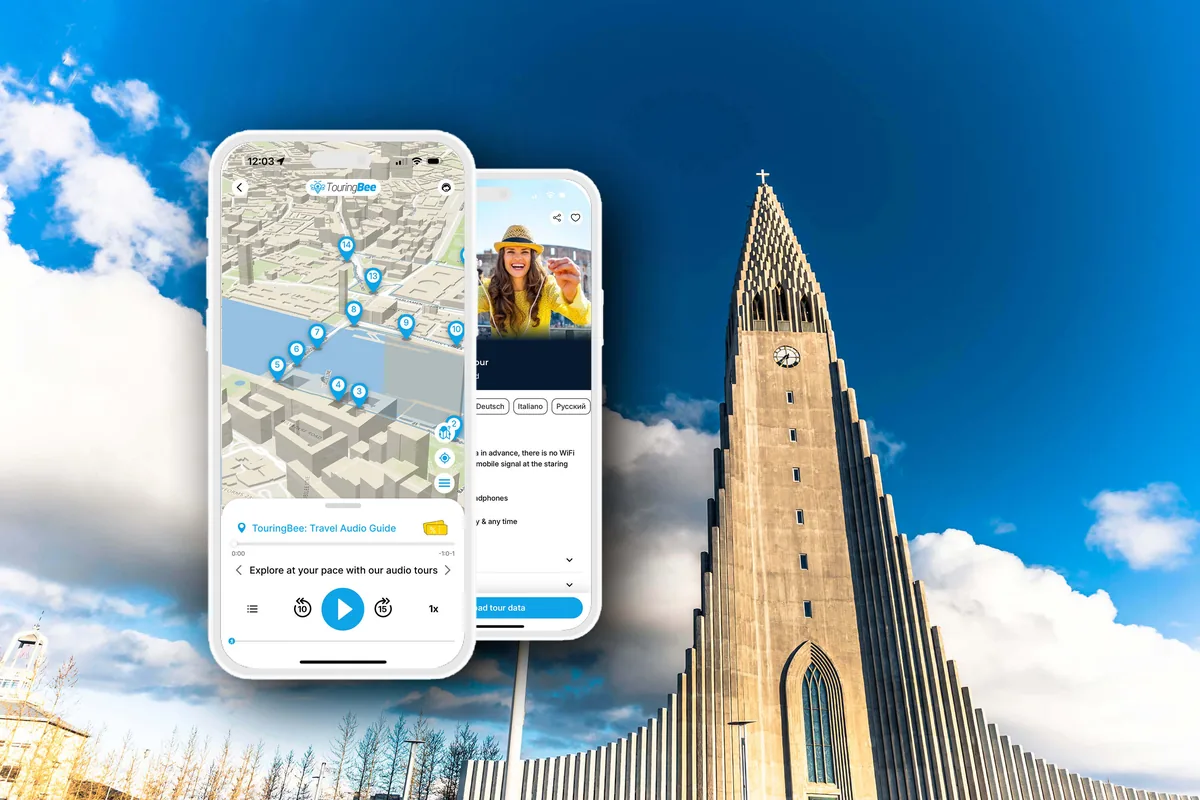
- 27 audio stops — Hallgrímskirkja, the Sun Voyager, Harpa, the Punk Museum, ICGV Óðinn, Þúfa and more
- Offline GPS map shows where you are — you start each recording yourself when you reach the spot
- Illustrations so you know which building you're looking at
- Instant delivery — activation email arrives in a few minutes
- No group, no schedule — start any day, any hour
Why Reykjavik is worth more than a stopover
A thousand years ago a Norwegian named Ingólfur Arnarson threw his sacred high-seat pillars overboard and let the gods choose where he'd live. It took his slaves three years to find them, washed up in a bay full of steam. He called it Reykjavík — smoky bay — and the steam is still the reason the water in your shower here smells of sulphur.
Iceland spent the next thousand years being governed by other people. Norway, then Denmark, then a trade monopoly out of Copenhagen that strangled the economy for two centuries. Independence came in stages and only finished in 1944. That's within living memory, and you can feel it — this is a country that is still slightly amazed to be running itself.
The light is the whole trip
Nothing else shapes a Reykjavik visit as much as the sky. Between May and July the sun barely bothers setting and the city stays awake with it. In November and December you get four or five usable hours of daylight, and everything you planned has to fit inside them.
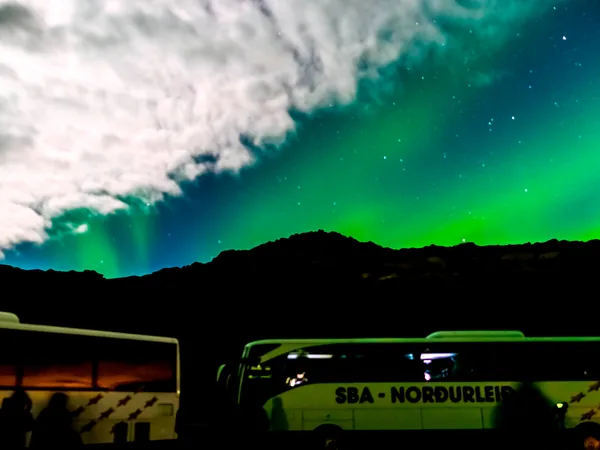
The trade is aurora. Roughly September to April, on a dark clear night, you can see the Northern Lights from inside the city — Grótta lighthouse and the Sæbraut waterfront are the usual spots. Neither the season nor a tour guarantees anything. Clear sky does.
Almost all of this is free
The walk itself costs nothing. Reykjavik's centre is a public museum — the murals, the harbour, the pond, the parliament, the rainbow street. The paid bits are few: the lift up the Hallgrímskirkja tower, Perlan, the museums, and the geothermal pools — a few hundred krónur, and worth it. Budget for the day trips instead. That's where Iceland gets expensive.
What Reykjavik actually costsA city that keeps its weird
Reykjavik has a museum of phalluses, a punk museum in a former public toilet, a mural of a vampire, and a steam locomotive that never had a railway to run on. It banned television in July for seventeen years so people would go outside. It once brought down a government with pots and pans.
None of this is on the postcards, and all of it is on the walk.
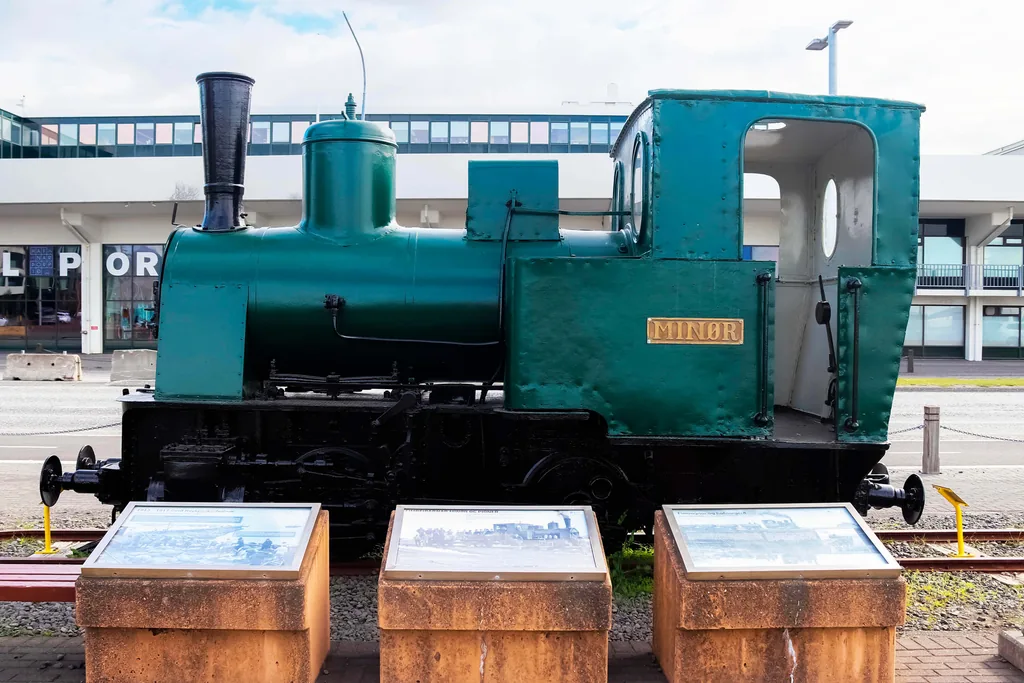
What you'll see on the walk
Six of the twenty-seven stops. The rest you'll meet on the way.
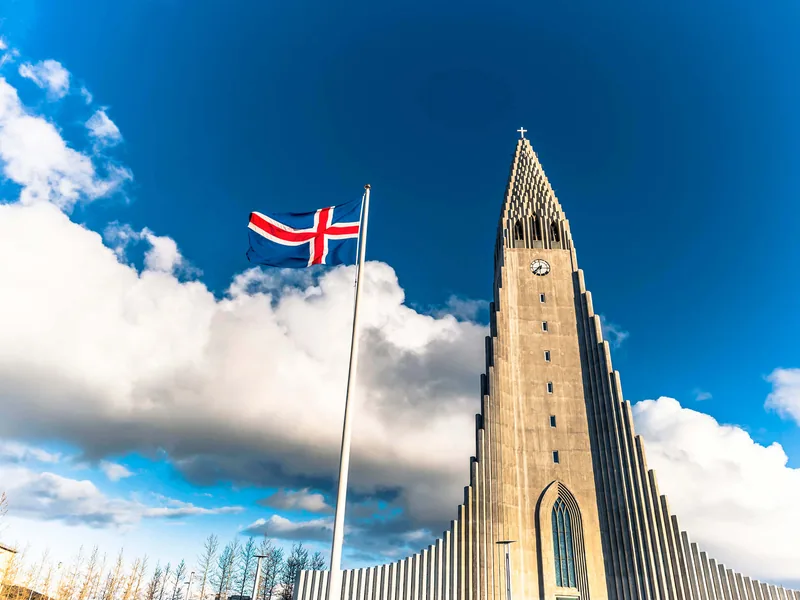
Hallgrímskirkja
The basalt-column church, and the best view in the city from its tower
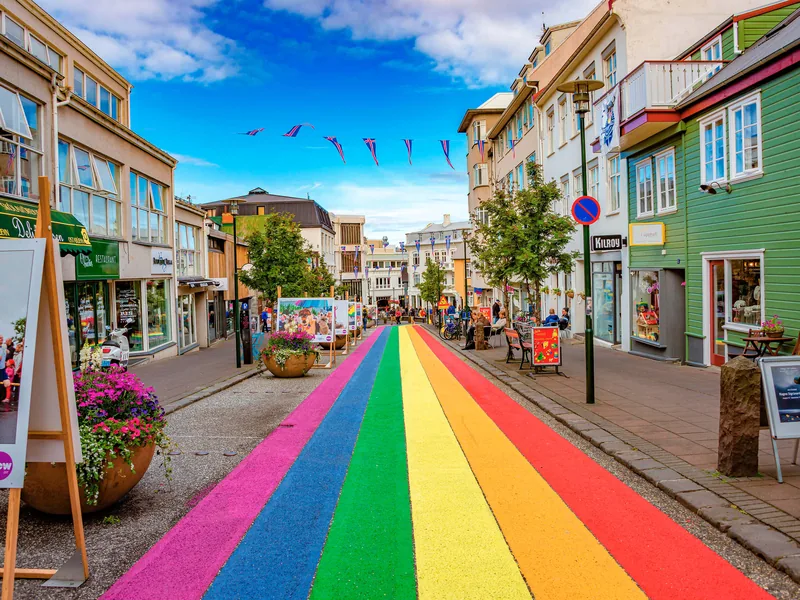
Rainbow Street
Skólavörðustígur, painted for Pride and never washed off
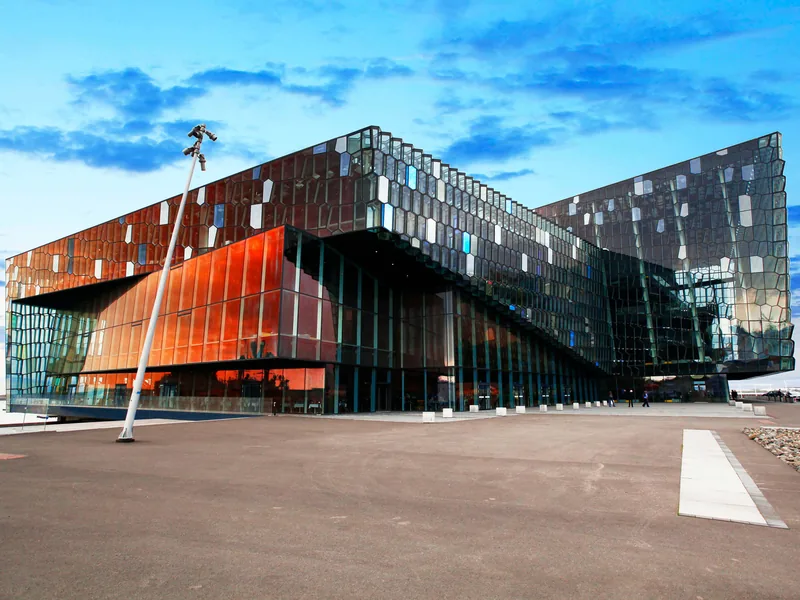
Harpa
A glass honeycomb built through a financial crash that nearly killed it

The Old Harbour
Where the whale boats leave — and where the Cod Wars were won
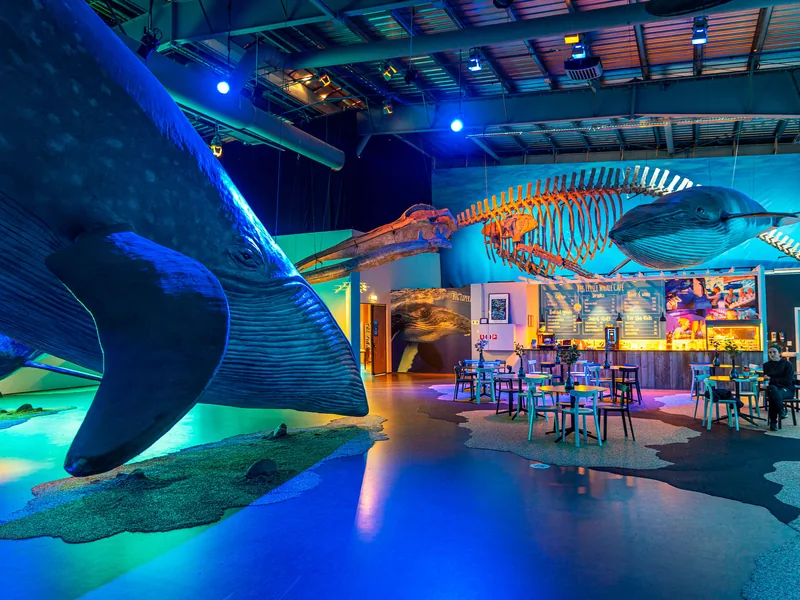
Whales of Iceland
Twenty-three life-size whales in a dark hangar by the water
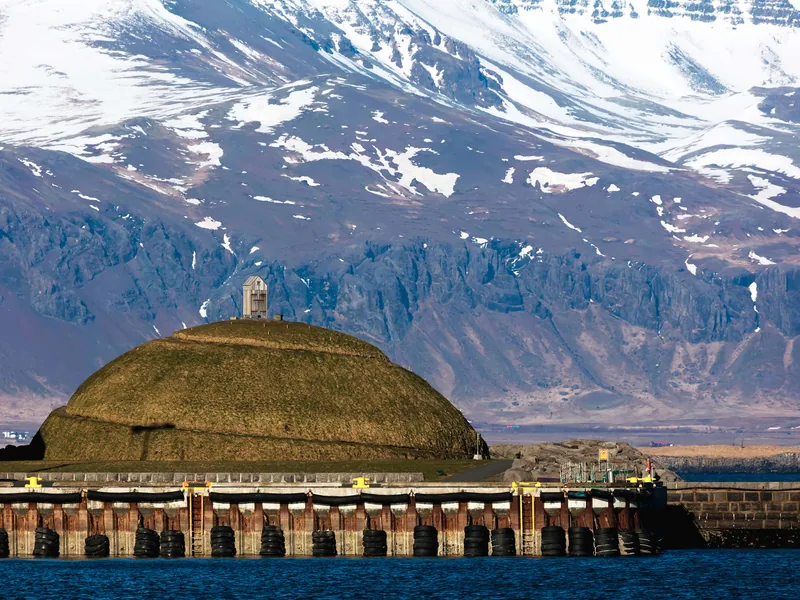
Þúfa
The end of the walk: a spiral hill with a fish-drying shed on top
How the audio tour works
Buy
One payment on this page. The activation email lands within a few minutes.
Download
Install the free TouringBee app, activate, and download the tour over hotel Wi-Fi.
Walk
The offline map shows where you are. When you reach a stop, you press play — the app never interrupts you on its own.
Keep it
A year of access. Come back in winter and walk the same route in the dark.
Visiting Reykjavik: the basics
Book the paid attractions before you go
Reykjavik itself rarely sells out, but the things people fly in for do — the Blue Lagoon, Sky Lagoon, Northern Lights boats and the Golden Circle in summer. Pre-booking also saves the walk from being rearranged around a queue.
Reykjavik tickets on TiqetsDay trips & tickets
The walk covers the city. Everything below happens outside it — and these are the bookings worth making before you land.
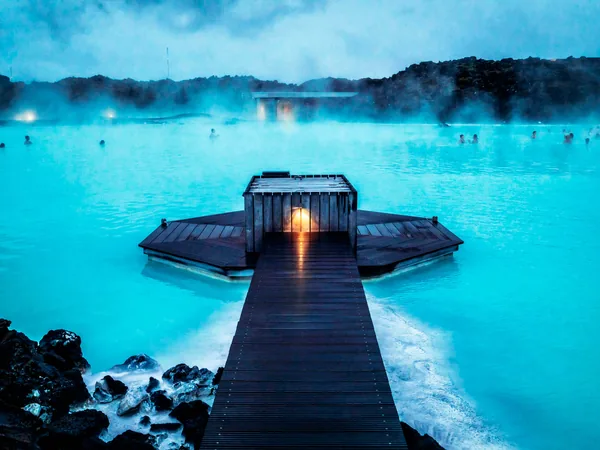
Driving yourself? Book the car early
The Golden Circle and the South Coast are both better self-driven — you stop where you want and skip the coach timetable. Iceland's rental fleet is small and summer sells out weeks ahead, so this is one of the few bookings genuinely worth making before you fly.
Compare rental cars Self-drive vs guided tourMore audio walks by TouringBee
Iceland traded with Copenhagen for two centuries — under duress. The tour tells that story; you may as well hear the other side of it.
Copenhagen
The city that ran Iceland's economy for two hundred years, walked in about three hours.
Copenhagen Walking TourOslo
Where Ingólfur Arnarson sailed from, more or less, and where the sagas start.
Oslo City Walking TourPlan your visit
Getting here
Day trips
Timing it
In the city
Water
Practical
Common questions
How many days do you need in Reykjavik?
Two full days covers the city comfortably — one for the walk and the museums, one for a lagoon or the harbour. Add a day for every major trip out of town: one for the Golden Circle, one for the South Coast. Most people underestimate how much of an Iceland trip is spent in a vehicle.
Is the city centre walkable?
Entirely. The whole 27-stop route runs about 5 km with almost no gradient except the climb up Skólavörðustígur to the church. The limiting factor is weather, not distance.
Does the audio guide play automatically as I walk?
No, and that's deliberate. The offline map shows where you are, but you press play yourself when you arrive at a stop. Phone GPS accuracy varies too much for automatic triggers to be reliable — manual means you never miss a story because your phone thought you were on the next street.
Do I need mobile data during the walk?
No. Download the tour once over Wi-Fi and it runs entirely offline, map included.
Can I see the Northern Lights from inside Reykjavik?
Yes, on a dark clear night between roughly September and April. Grótta lighthouse on Seltjarnarnes and the dark stretch of the Sæbraut waterfront are the usual spots. Light pollution downtown works against you, and cloud beats everything — no season or tour can promise an aurora.
Is Reykjavik expensive?
Eating out and alcohol are genuinely expensive. The city itself is not — the walk, the harbour, the murals and the parks are free, tap water is excellent, and the geothermal pools cost a fraction of the Blue Lagoon. The budget goes on day trips and dinner.
What should I wear?
Waterproof jacket, warm mid-layer, non-slip shoes, and a hat any month of the year. An umbrella is useless — Reykjavik wind will destroy it, and locals will notice.
Is the audio guide available in my language?
The Reykjavík City Walking Tour is currently narrated in English. Other TouringBee tours are available in eight languages.

About the author
Eugene has spent sixteen years living in France, worked as a guide, and founded the travel content network paris10.travel. He has visited more than 300 French towns and villages and writes the TouringBee audio tours. He builds these guides the way he'd brief a friend before a trip: what's actually worth your time, what to book, and what to skip.
Walk it with the stories
Twenty-seven stops, two and a half hours, and a fisherman called Y'Own telling you why none of it is what it looks like.